01pipelines, models, and intelligent systemsprojects/ai-ml
AI & Machine Learning
End-to-end ML engineering, from data ingestion and feature engineering through model training, experiment tracking, and serving. Most of these came out of real fintech datasets and production constraints.
9 projects, 2 in production, 3 with a live demo
capstone · AAUtali
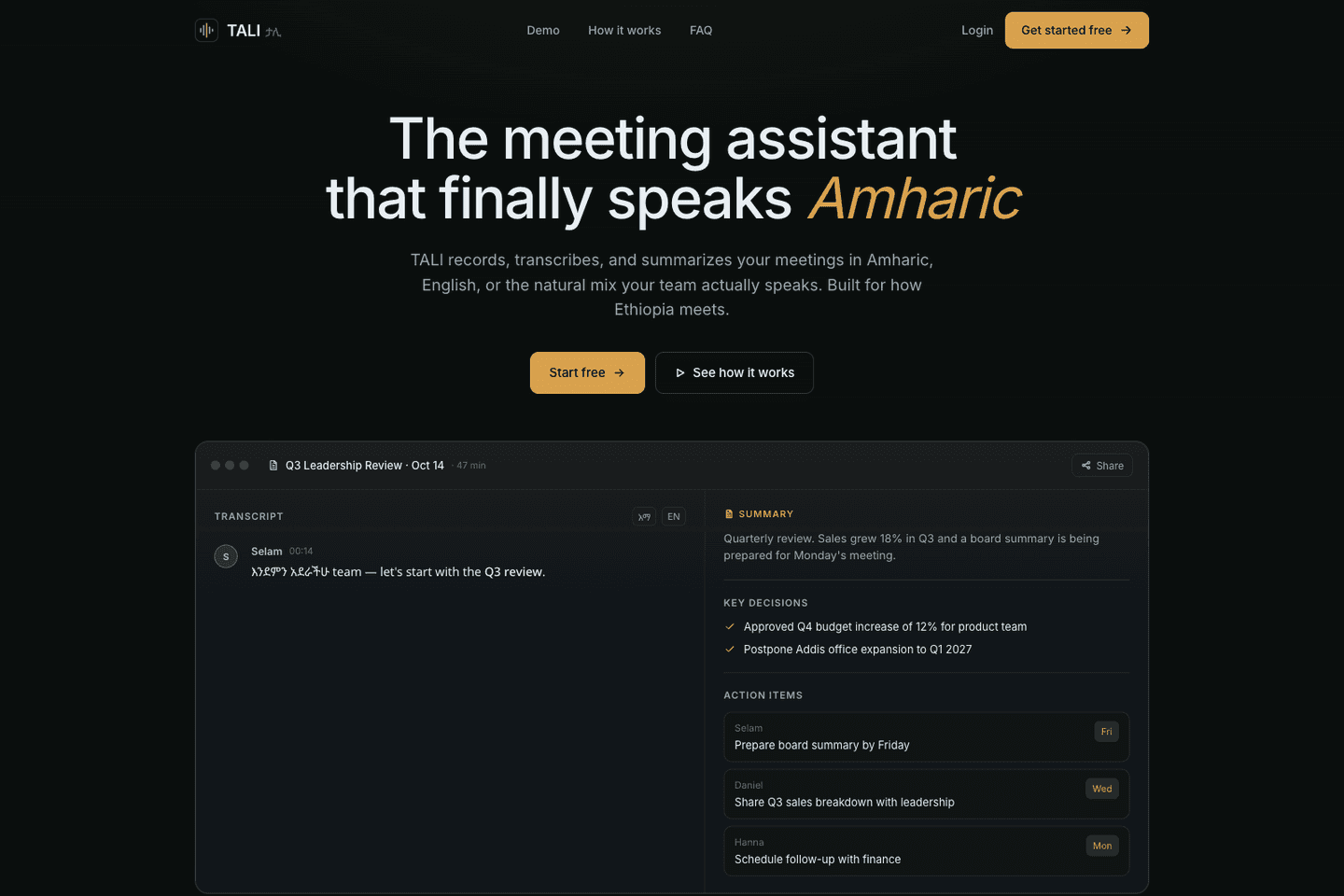
Tali: Amharic Meeting Assistant
A meeting assistant for Amharic, English, and the mix between them, co-built with three teammates as our final-year project at Addis Ababa University. I led the backend that turns a recording into minutes: PyAnnote works out who spoke when, a wav2vec2 model fine-tuned for Amharic transcribes each segment in parallel, and one Gemini pass corrects the ASR and writes the decisions and action items, with a guard that reverts any correction that drifts from what was said.
Rock Paper Scissors played with real hand gestures via webcam. MediaPipe detects hand landmarks in real time; an adaptive Markov chain CPU opponent learns from your play patterns and adjusts strategy mid-game.
Six interactive machine learning demos running entirely in the browser: neural networks, tokenizers, embeddings, regression, activation functions, and attention mechanisms. No server, no backend; all compute is client-side.
Graph-based image segmentation implemented from scratch. Models an image as a weighted undirected graph, each pixel a node, edges weighted by color similarity. Union-Find (with path compression + union-by-size) merges the most similar pixels first. Tunable k, σ, and min_size parameters give coarse-to-fine control over segmentation granularity.
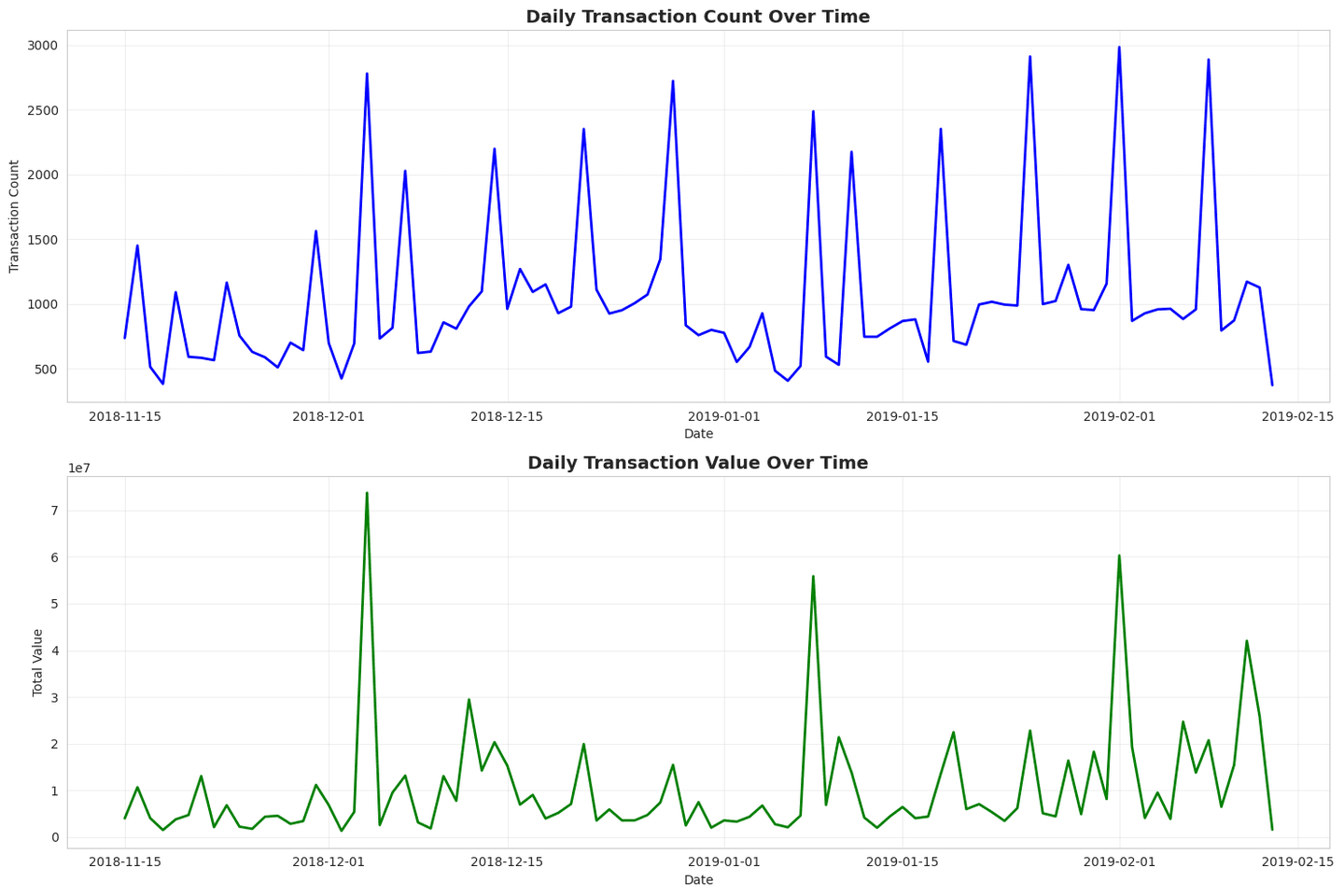
A credit risk model for a buy-now-pay-later service whose customers have no credit history, so it scores them from eCommerce transactions instead. With no default labels to learn from, the target is a proxy built from recency, frequency and spend. Training is tracked in MLflow and the model is served from a FastAPI endpoint in Docker.
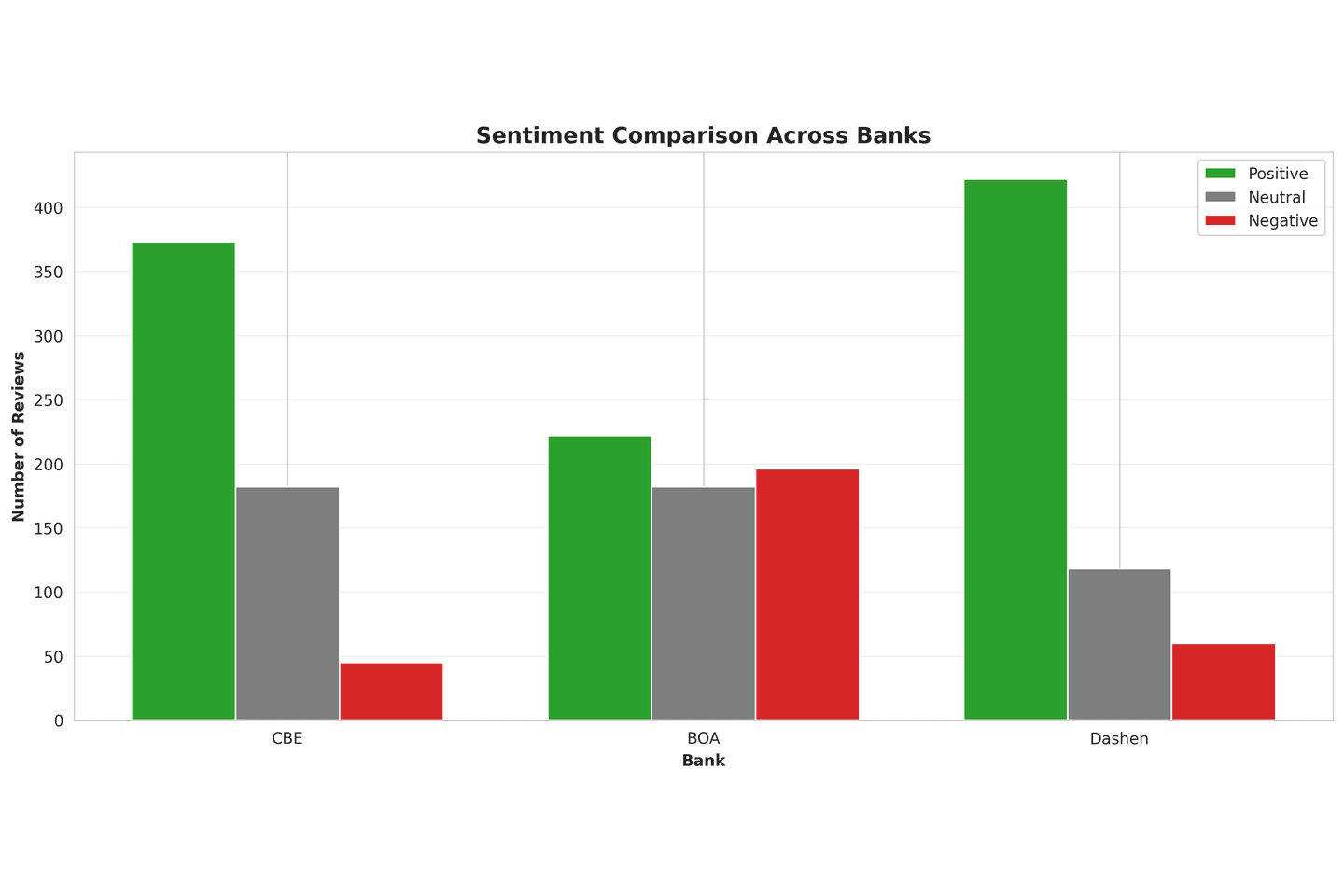
Scraped 1,200+ Google Play reviews of three Ethiopian banking apps (CBE, Bank of Abyssinia and Dashen), scored them with VADER sentiment and grouped them into themes with TF-IDF keywords, to show what each bank's users actually complain about. The cleaned reviews are loaded into PostgreSQL.
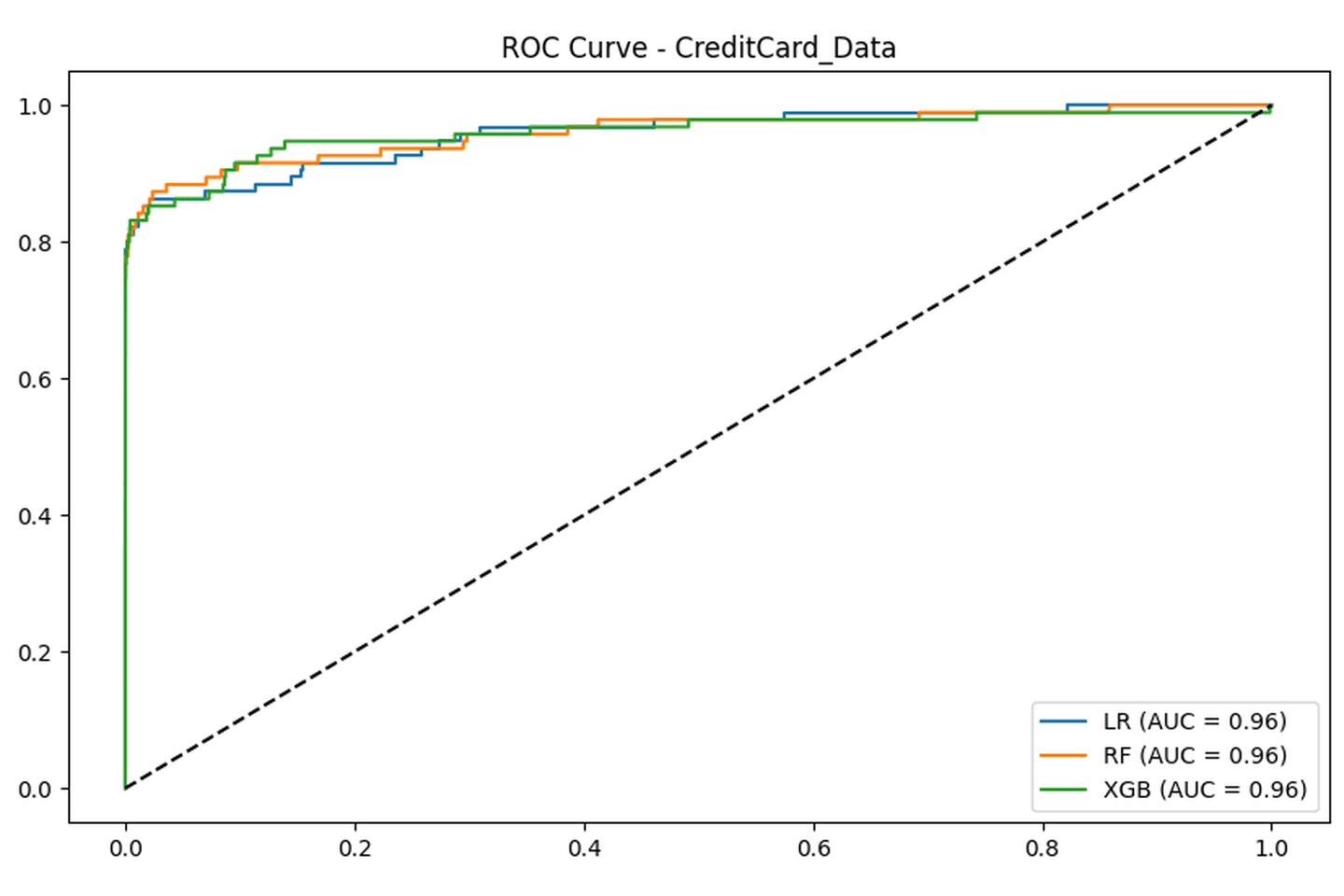
Fraud classifiers for e-commerce and card transactions, where fraud is under 10% of the data. IP addresses are mapped to countries and device and IP reuse become velocity features; logistic regression, random forest and XGBoost are compared under stratified 5-fold cross-validation, and SHAP force plots explain individual decisions.
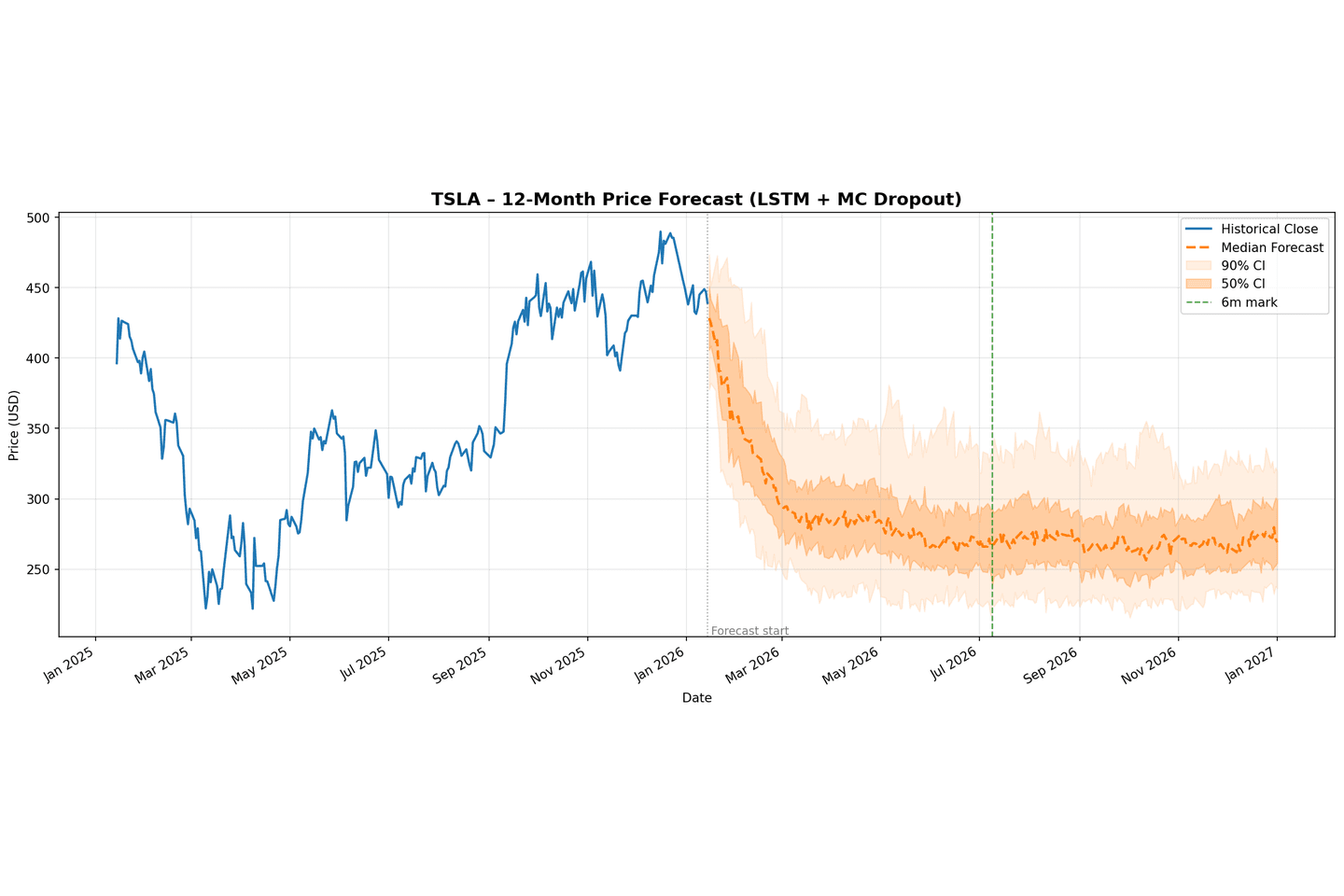
Forecasts Tesla's price from ten years of market data, where an LSTM beat ARIMA by more than five times on RMSE (16.4 against 90.3). Monte Carlo dropout turns the forecast into confidence bands, which feed an efficient-frontier portfolio of TSLA, BND and SPY backtested against a 60/40 benchmark.
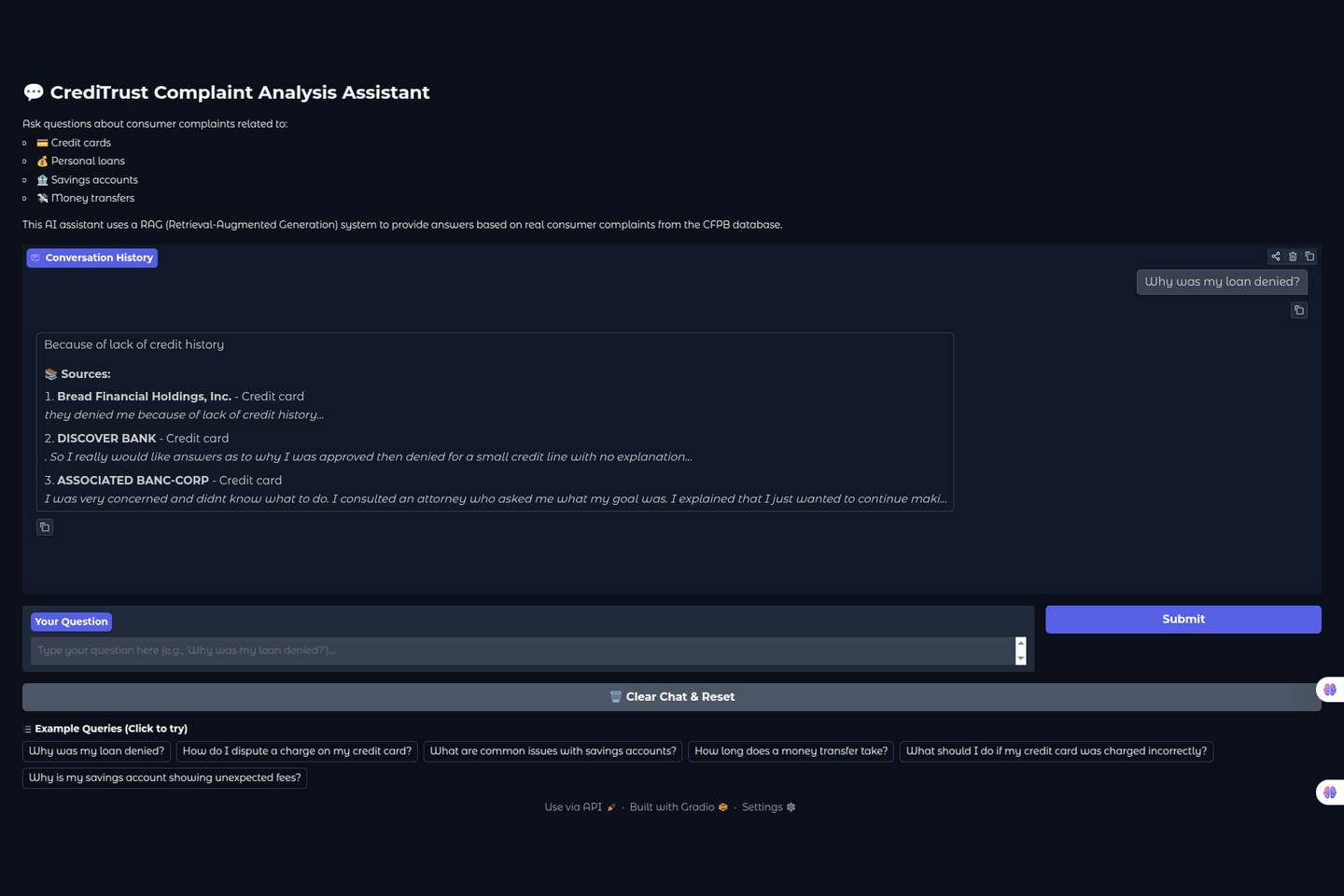
A retrieval-augmented assistant for questions about consumer finance complaints. 9.6 million CFPB records are filtered to about 82,000 across four products, embedded into a 40,000-chunk FAISS index, and answered by Flan-T5 with the source complaints cited, behind a Gradio chat interface.